青醬為什麼有時候會變褐色?
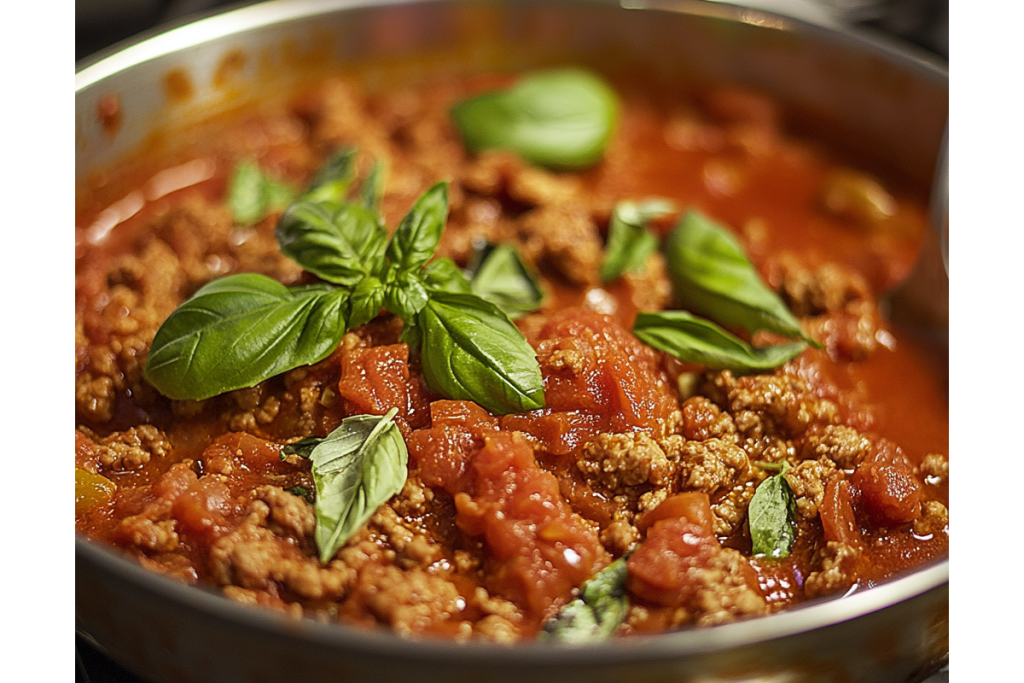
Pesto, the fragrant green sauce that dances on our taste buds, often finds itself in a colorful conundrum. One moment it’s a vibrant green, bursting with the freshness of basil and garlic, and the next—poof! It’s mysteriously turned a shade of brown. If you’ve ever experienced this puzzling transformation, you might be wondering why your beloved pesto isn’t looking its best. Fear not! Today, we’ll explore the science behind this curious color change and uncover the secrets that lie within your favorite Italian condiment.
Why Does Pesto Turn Brown? Unraveling the Mystery!
Pesto sauce, primarily made from fresh basil, pine nuts, garlic, Parmesan cheese, and olive oil, is renowned for its vivid green hue. However, it can sometimes undergo a transformation and take on a brownish tone. The primary culprit behind this color change is oxidation. When the pesto is exposed to air, the chlorophyll in the basil reacts with oxygen, causing it to degrade and lose its fresh green color. This reaction is akin to how an apple turns brown when it is cut and left out in the open air for too long.
Additionally, the browning can also be attributed to the quality and freshness of the ingredients used. If the basil leaves are already starting to wilt or if the other components of the pesto are not at their peak freshness, the resulting sauce may not maintain its vibrant color. Moreover, if the pesto is stored improperly—say, in a container that doesn’t seal well or is left out at room temperature for too long—this can exacerbate the oxidation process and lead to an undesirable brown hue.
Lastly, the cooking of the pesto can also contribute to color changes. When pesto is heated or cooked, even slightly, its ingredients can react in ways that alter the visual aesthetic. For instance, melting cheese or slight browning of the nuts can change the overall appearance of the sauce. So, whether you’re whipping up a fresh batch or reheating leftovers, be aware that your cooking methods can impact not only the flavor but also the color of your delicious pesto.
From Green to Brown: The Curious Life of Your Pesto Sauce!
The story of pesto turning brown doesn’t end with oxidation; there are steps you can take to keep your green sauce looking as fresh as it tastes! One common trick is to drizzle a thin layer of olive oil over the surface of the pesto when storing it. This acts as a barrier, slowing down the oxidation process and helping to preserve that beautiful green color. Additionally, using fresh, high-quality ingredients can make a world of difference. Seek out vibrant basil and store it properly to maintain its integrity and flavor for as long as possible.
Another fun tip for preserving your pesto’s lively color is to add a splash of lemon juice. The citric acid in lemon juice acts as a natural preservative and can help slow down the browning process, while also adding a delightful zing to your sauce! Just be sure to balance the flavor; nobody wants their pesto to taste like a lemon grove. This small addition can contribute both to the looks and the taste of your dish, letting you enjoy a fresh and colorful pesto experience for longer.
Ultimately, even if your pesto does take on a brown hue, it doesn’t mean it’s gone bad! While the visual appeal may have diminished, the flavor can still be delightful. If you ever find yourself with a brown pesto, consider blending it into pasta dishes, spreads, or even sandwiches—often, the taste remains unchanged, allowing you to enjoy your culinary creation without any waste. So embrace the journey of your pesto sauce, from green to brown, and savor each delicious moment!
In conclusion, while the transformation of pesto from green to brown can be a bit disheartening, understanding the reasons behind this change can help you take steps to preserve its vibrant color and delightful flavor. With a little care in storage and ingredient selection, your pesto can remain a beautiful centerpiece on your dining table. So next time you whip up a batch of this iconic sauce, cherish its journey and remember that even a little browning can lead to tasty adventures! Happy cooking!