青醬加入水會影響味道嗎?
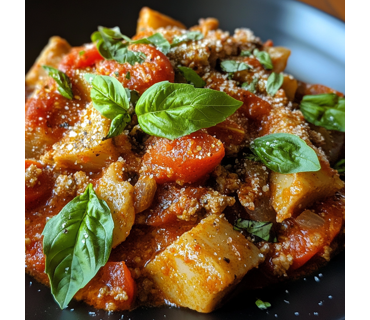
Pesto, a vibrant Italian sauce made from fresh basil, garlic, pine nuts, Parmesan cheese, and olive oil, is a staple that can elevate any dish. But what happens when you introduce water into the mix? This begs the question: does adding water to pesto change its flavor adventure? Let’s dive into this culinary conundrum and explore how the consistency of this delightful sauce can transform its taste. Buckle up as we embark on a flavor journey!
Does Adding Water to Pesto Change Its Flavor Adventure?
When you think about pesto, you might imagine a rich and thick sauce bursting with herbal goodness. However, adding water can create an entirely different experience. The first impact is on the texture—water thins out the rich, oily base of the pesto. This change in consistency can lead to a lighter mouthfeel, making it a fantastic option for drizzling over grilled vegetables or tossing with delicate pasta. The sauce becomes less cloying, allowing the fresh basil and nutty flavors to shine through in a new way.
However, let’s not overlook how water interacts with the flavor profile of pesto. Water can dilute the intensity of the ingredients, potentially muting the robust garlic and cheese notes that most pesto lovers cherish. This is not necessarily a bad thing. For those who prefer a subtler taste, adding water can create a more accessible version of pesto, especially for newcomers who might find the standard blend overwhelming. The key here is balance; a little water can go a long way in crafting a lighter alternative.
Another consideration is the temperature of the water. Cold water can bring a refreshing twist, while warm water may enhance the melding of flavors, allowing the pesto to become more harmonious as it emulsifies. Experimenting with water temperature can open new doors to creativity in the kitchen. Ultimately, whether adding a splash of water becomes a delightful enhancement or a flavor compromise depends on individual preference and culinary goals.
Unleashing the Flavor: Water and Pesto’s Fun Experiment!
Now that we’ve established that water can affect the flavor and texture of pesto, let’s get playful! Imagine using water as a secret weapon to unlock new culinary experiences. For instance, consider creating a pesto dressing for salads. By adding just a splash of water, you can turn your traditional pesto into a zesty, pourable sauce that coats greens beautifully, adding a burst of flavor without overwhelming the salad’s delicate components.
Another fun experiment involves incorporating water into a pesto dip for veggies or chips. By adjusting the water content, you can create a creamy, spreadable version that’s perfect for entertaining. Pair it with an array of colorful veggies, and suddenly, you have a delightful appetizer that encourages everyone to munch mindfully. The addition of water gives you the freedom to play with textures and make the dish lighter and perfect for sharing.
Finally, why not take this flavor adventure to the next level by blending pesto with other ingredients? Adding a bit of water opens up opportunities to mix in yogurt for creaminess or even citrus juice for a zesty twist. The result? Unique flavor combinations that surprise and delight your taste buds. So go ahead, embrace creativity, and don’t be afraid to use water as your trusty sidekick in this flavorful experiment!
In conclusion, adding water to pesto can indeed change its flavor adventure, opening up new culinary possibilities. Whether you’re looking to lighten up the sauce for a salad or explore innovative flavor combinations, water can be a versatile ingredient that transforms your pesto experience. So the next time you whip up a batch of this delicious sauce, consider giving it a splash of water. Who knows? You might just discover a new favorite way to enjoy pesto that brings a smile to your face and joy to your table! Happy cooking!