紅醬和白醬有什麼不同?
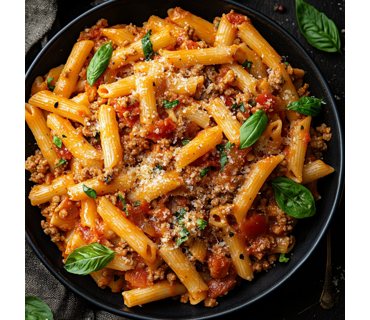
When it comes to the world of sauces, two titans stand tall: red sauce and white sauce. These culinary companions have graced our plates in countless dishes, captivating taste buds around the globe. But what exactly sets them apart? In this saucy showdown, we’ll dive into the vibrant flavors, textures, and culinary uses of red and white sauces, shedding light on the unique characteristics that make each one a beloved staple in kitchens everywhere. Get ready for a flavorful journey!
Red Sauce vs. White Sauce: A Saucy Showdown of Flavors!
Red sauce, often known as marinara or tomato sauce, bursts with a robust tomato flavor, bringing a lively zing to a variety of dishes. Typically made with ripe tomatoes, garlic, onions, and a medley of herbs like basil and oregano, red sauce is renowned for its bright, tangy taste and vibrant color. The acidity of the tomatoes balances harmoniously with the sweetness of the herbs, creating a melody of flavors that dance on your palate. It’s a classic choice for pasta, pizza, and even as a base for stews!
In contrast, white sauce, or béchamel, is the creamy counterpart that brings a world of richness to the table. Made from a roux of butter and flour combined with milk, this velvety sauce is thick, smooth, and wonderfully comforting. Its neutral flavor profile allows it to serve as a canvas, easily absorbing and enhancing the tastes of added ingredients like cheeses, spices, or even mushrooms. Whether drizzled over lasagna or used in mac and cheese, white sauce adds a luxurious texture that elevates any dish from ordinary to extraordinary.
While both sauces are delicious in their own right, their culinary applications can differ significantly. Red sauce shines in Mediterranean dishes, pairing perfectly with ingredients like olives and capers, while white sauce often finds its home in French and Italian cuisine, where it complements the richness of cheeses and meats. Each sauce tells a story, capturing the essence of the regions they hail from, and inviting home cooks and chefs alike to explore their unique flavors.
Discover the Delicious Differences Between These Two Classics!
The flavor profiles of red and white sauces also influence their nutritional aspects. Red sauce is generally lower in calories and fat, thanks to its tomato base, which is packed with vitamins and antioxidants, particularly lycopene. This makes red sauce a healthy choice for those seeking to add more vegetables to their diet while indulging in a delightful meal. Furthermore, the use of fresh herbs not only enhances its flavor but also contributes to its health benefits, making it a guilt-free indulgence!
Conversely, white sauce tends to be richer and more calorically dense, primarily due to its creamy nature. While it can be higher in fat and calories, it also offers a comforting and indulgent experience that many find irresistible. The addition of cheese can further amp up the flavor and the fat content, creating a luxurious layering of taste that satisfies cravings for rich comfort food. Nevertheless, white sauce can be adapted for lighter versions by using low-fat milk or incorporating vegetables to boost its nutrient profile.
Ultimately, whether you gravitate towards the tangy brightness of red sauce or the creamy comfort of white sauce, both have their place in the culinary world. They can be enjoyed on their own or combined in unique ways to create delightful fusion dishes. So why not experiment a bit? Try mixing the two in a pasta bake or drizzle white sauce over a hearty marinara dish for a delicious twist that showcases the best of both worlds!
In the saucy showdown between red and white sauces, it’s clear that each has its own distinct personality and flavor profile. Red sauce charms with its bright, tangy richness, while white sauce envelops you in creamy comfort. The best part is that both sauces can elevate meals to new heights, whether you’re whipping up a quick dinner or impressing guests at a gathering. So, embrace the delicious differences and let your culinary creativity shine! The next time you’re in the kitchen, let red and white sauces inspire you to craft a dish that’s sure to delight. Happy cooking!