義大利麵醬需要加糖嗎?
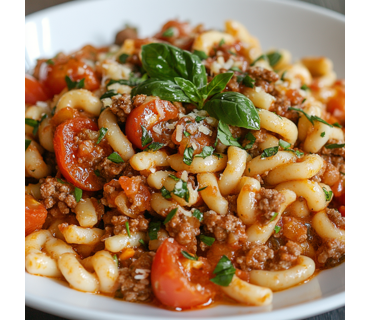
When it comes to crafting the perfect pasta dish, the debate over whether to add sugar to your sauce can ignite passionate discussions among home cooks and chefs alike. While some argue that a touch of sweetness enhances the overall flavor profile, others firmly believe that traditional pasta sauces should maintain their savory essence. This article delves into the sweet world of pasta sauces and explores whether sugar truly has a place in your favorite Italian dishes.
Sweeten the Sauce: Should You Add Sugar to Pasta?
When preparing a rich tomato sauce, many cooks find themselves facing the dilemma of adding sugar. The primary reason for this is to balance acidity. Tomatoes, especially when cooked down, can have a sharp tang that may not appeal to everyone’s palate. A pinch of sugar can soften that bite, giving the sauce a more rounded flavor. It’s a culinary technique that has stood the test of time, used by grandmothers and professional chefs alike, to create a harmonious blend of tastes.
However, the amount of sugar you add is crucial. Too much sugar can easily tip the sauce into dessert territory, overshadowing the beautiful flavors of garlic, herbs, and olive oil. A mere teaspoon or two may suffice in a large pot of sauce to achieve that perfect balance. The key is to taste as you go, ensuring that you’re enhancing the sauce rather than transforming it into something unrecognizable.
Furthermore, the type of tomatoes you use can also influence whether or not you need to sweeten your sauce. Some canned varieties, like San Marzano, are naturally sweeter and may require no additional sugar at all. So, the next time you’re making a pasta sauce, don’t be afraid to experiment with a touch of sugar, but do it wisely!
Pasta Passion: The Great Sugar Debate Unveiled!
As with many culinary practices, the addition of sugar has its cheerleaders and its critics. Advocates argue that sugar is a secret weapon that elevates the sauce, smoothing out any harsh edges and creating a depth of flavor that keeps people coming back for seconds. A hint of sweetness can make a sauce feel more luxurious and inviting, enhancing the overall experience of the meal.
On the flip side, traditionalists contend that sugar is an unwelcome invader in an otherwise savory domain. They argue that the true essence of a pasta sauce lies in the natural flavors of the ingredients: the umami from tomatoes, the aromatic punch of basil, and the warmth of garlic. For these purists, the integrity of the dish should shine without any sweetness, echoing the rustic flavors of Italy’s culinary heritage.
Ultimately, the choice to add sugar comes down to personal preference. If you enjoy a sweeter sauce that dances on your taste buds, go ahead and sprinkle in that sugar! If you prefer to keep it classic and let the savory flavors take center stage, then your pasta will certainly thank you for it. The beauty of cooking lies in its vast array of choices, and the pasta debate is just another delightful layer to explore.
So, should you add sugar to your pasta sauce? The answer is as varied as the number of pasta types out there! Whether you choose to sweeten or stick to the savory route, remember that cooking is all about experimentation and personal taste. So grab your ingredients, put on your chef’s hat, and enjoy the marvelous journey of creating pasta dishes that delight and inspire. Bon appétit!