為什麼義大利麵醬會酸?
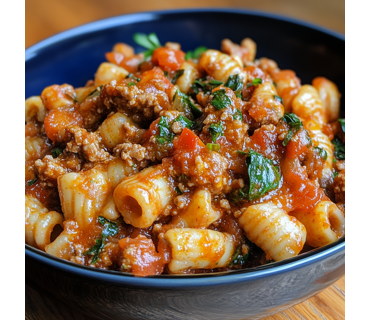
Ah, the charm of Italian pasta! Few culinary delights can rival the heartwarming embrace of a perfectly cooked plate of spaghetti drizzled with a luscious tomato sauce. But wait—what’s that hint of tanginess that dances on the palate? It’s a flavor profile that speaks volumes about the ingredients and techniques used to create the magic of tomato sauce. Let’s embark on a journey to uncover why Italian pasta sauce can often have that delightful zing!
Discovering the Zesty Secrets Behind Tomato Sauce Magic!
From vine to table, the journey of tomatoes is a saga filled with flavor transformations. At the heart of most traditional Italian pasta sauces lies the humble tomato, a fruit that boasts a natural acidity. This acidity is a gift from nature, a balance of sugars and organic acids, primarily citric and malic acid. When ripe tomatoes are harvested at their peak, their vibrant flavor and tanginess shine through, giving the sauce its signature zest.
But the transformation doesn’t stop with the tomato alone! The cooking process plays a pivotal role in enhancing the sauce’s acidity. When tomatoes are simmered, their flavors concentrate and meld with other ingredients like garlic, onions, and olive oil. This slow cooking allows the natural sugars in the tomatoes to caramelize and soften the sharpness, creating a beautiful balance that tantalizes the taste buds. The addition of herbs like basil or oregano can also introduce new layers of flavor, further enhancing that delightful acidity.
And let’s not forget the impact of additional ingredients! A splash of red wine or a hint of vinegar can elevate the sauce, accentuating its tangy character. These elements add complexity, creating a symphony of flavors that dance together in perfect harmony. So, the next time you twirl your fork around a plate of pasta, remember: that zesty sauce is the result of a beautiful interplay of nature’s finest ingredients and a bit of culinary love!
Unraveling the Tangy Tale of Italy’s Beloved Pasta Sauce!
Venture into any Italian kitchen, and you’ll find a rich tapestry of traditions and techniques that elevate tomato sauce to an art form. The acidity of the tomatoes is not just a flavor but a crucial component that influences the overall experience of the dish. In Italy, chefs often aim for a balanced sauce—one that highlights the acidity while complementing it with the sweetness of ripe tomatoes and the richness of the other ingredients. This intricate balance is what makes Italian pasta sauce truly exceptional!
Cultural preferences also play a role in how acidity is perceived in cooking. In regions like Southern Italy, where tomatoes are often grown in sun-soaked soil, the natural acidity can be more pronounced. Chefs in these areas know how to embrace this tanginess, skillfully incorporating it into their sauces. In contrast, Northern Italian sauces may lean toward a creamier, milder profile, showcasing how regional influences shape the culinary landscape of Italy.
Moreover, the presentation of the dish can affect your perception of acidity. When served alongside a sprinkle of cheese or a drizzle of extra virgin olive oil, the sauce’s tanginess may be softened and beautifully contrasted, creating a delightful layering of flavors. So, as you savor every bite of your pasta, remember that the tangy taste is a reflection of Italy’s rich culinary heritage, passed down through generations and shaped by the land, the ingredients, and the love of cooking!
In conclusion, the delightful acidity found in Italian pasta sauce is a testament to the vibrancy of tomatoes and the skillful techniques of Italian cooks. It’s a flavor that tells a story—a story of sun-kissed fields, time-honored traditions, and the joyful passion for food. So next time you indulge in that tantalizing tang, let it whisk you away to the rolling hills of Italy, where every plate of pasta is a celebration of life, love, and, of course, deliciousness! Buon appetito!